While it’s true that you can learn something new every day, the real value of knowledge is in putting it to good use. The upcoming NotMISpecies webinars all share the common thread of using knowledge, either from the past or from recent experiences, to better understand the present and plan for the future.
Whether it’s helping to navigate changing landscapes or protecting resources from harmful plants, animals and diseases, Michigan’s Invasive Species Program supports a broad array of efforts across the state.
The NotMISpecies webinar series is designed to keep you informed about the MISP’s work, including current research and innovations in preventing, detecting and managing invasive species in Michigan and the Great Lakes region. Q&A sessions and links to resources help attendees get the most out of each presentation.
Register now for upcoming sessions. Who knows, you might even learn something new!
Discovering trends through historical data
Not too long ago, collecting field data involved marking paper maps and jotting notes on a clipboard, but technology has rapidly transformed the collection, visualization and analysis of invasive species data.
In “Old Data, New Insights: Tracking Invasive Plant Trends in Michigan’s State Parks” (9 a.m. Wednesday, March 25), Mike Hindy, Greg Norwood and Emily Leslie will share how the Department of Natural Resources Parks and Recreation Division is translating legacy point data collections – historical yet potentially valuable information often stored within outdated or even obsolete systems – to uncover trends in invasive species management across Michigan’s state parks. Are the infestations increasing, decreasing or remaining unchanged? Find out when you join the hosts to learn about the challenges, considerations and future directions of GIS in invasive species management.
Unlocking the mystery of didymo
What’s happening with didymo in Michigan waters? Following detections in four Lower Peninsula coldwater rivers from 2021 to 2024, has didymo fallen off the radar?
Not for Lake Superior State University’s Ashley Moerke and Trout Unlimited’s Bryan Burroughs. In “Rock Snot on the Radar: Tracking Didymo in Michigan Rivers” (9 a.m. Wednesday, April 15), the pair will provide an update on didymo status and trends based on survey data from across the state and discuss the relationship between water chemistry and didymo blooms. Learn about Trout Unlimited’s community science program and how you can get involved in expanding didymo monitoring efforts.
Choosing an ounce of prevention
Ever wonder why certain plants or pests trigger the Michigan Department of Agriculture and Rural Development to issue quarantines? Join Amber Neils, MDARD quarantine compliance and export specialist, for “Quarantines Demystified: Keeping Michigan Green and Pest-Free” (9 a.m. Thursday, May 14). Neils will share an inside look at how plant and pest quarantines are created, why they matter and when they change. This includes information on new and rescinded quarantines and what these rules mean for gardeners, growers and anyone who loves Michigan’s natural resources. Bring your questions and learn more about how quarantines help protect our state’s agriculture and environment!
Learning from the ash tree
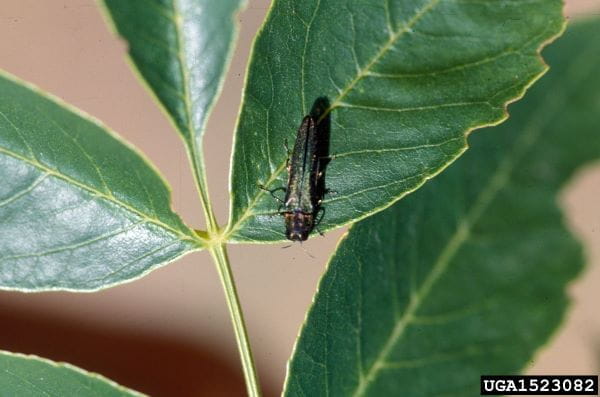
In the early 2000’s, the emerald ash borer decimated the ash population across the state. For the Pokagon Band of Potawatomi Indians in southwest Michigan, this meant the loss of mature black ash trees, culturally important for traditional basket making. Since then, many new invasive species have emerged that could cause harm to culturally significant trees in the tribe’s service area in southwest Michigan and northern Indiana.
Join Vic Bogosian for “Kowabdanawa odë kė: Preventing and Preparing for Invasive Species on Pokagon Lands” (9 a.m. Wednesday, June 17). As natural resources manager for the Pokagon Band's Kowabdanawa odë kė (“They watch over this land”), Bogosian will share how they are taking a proactive approach, including education, tree surveys and response planning, to prepare for beech leaf and beech bark diseases, Asian longhorned beetle and spotted lanternfly.
If you are interested in learning more about the MISP’s work, recorded versions of all previous webinars are available on the NotMISpecies webpage.
Michigan’s Invasive Species Program, a collaborative effort of the departments of Natural Resources; Environment, Great Lakes, and Energy; and Agriculture and Rural Development, coordinates and supports invasive species initiatives across the state and provides support through the Michigan Invasive Species Grant Program.