The MPSC has approved discounted off-peak rates, opening the door for Michigan customers to shift their energy use and benefit from significant savings on their monthly bill.
Michigan utility customers can expect to save more than $80 through the summer (June – September) by shifting their electricity usage outside of the utility’s on-peak period (typically 2:00 pm – 7:00 pm). Comfort can be managed by pre-cooling earlier in the day at the off-peak rate, utilizing fans, closing blinds, and taking other actions during the on-peak period. (Actual savings are dependent on the approved utility rate, home size, air conditioner size, weather, and other factors.)
The MPSC has approved several alternative rate options that provide different levels of savings depending on when you use electricity. The more flexibility you have to shift your energy use to off-peak times, the lower your bill will be. Visit your utility’s website and choose a rate that fits your situation.
Long-Term Resource Planning
The MPSC authorizes long-term plans for utilities that are “the most reasonable and prudent” as required by Michigan law. In integrated resource plans, the MPSC is required to evaluate the affordability of the utility’s plan as a part of the decision-making process.
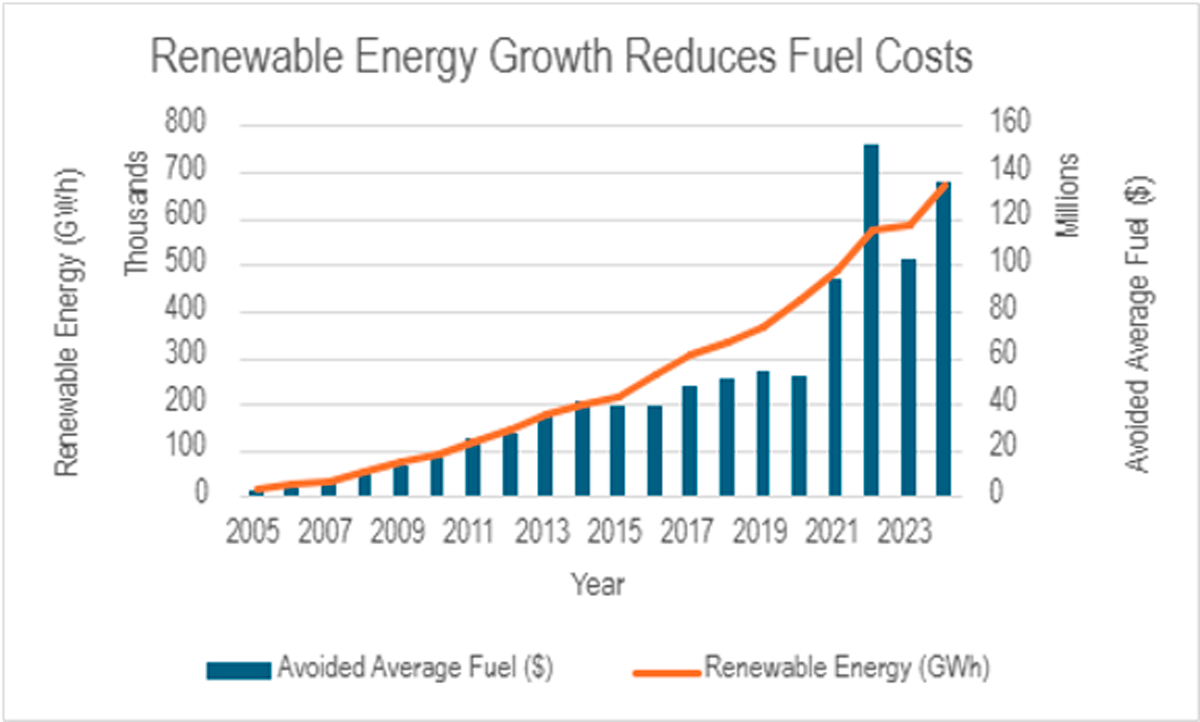
Renewable energy is consistently selected as a low-cost resource in utility long-term plans. Through December 31, 2025, Michigan’s rate-regulated utilities combined totaled 7,580 MW of approved renewable energy projects, an increase of 1,698 MW, or 22%, of the approved renewable energy projects at the end of 2024. Renewable energy (wind and solar) remains the cheapest new source of electricity to build today, even without federal tax incentives.