Anyone who’s paged through old notebooks or tried to maintain the integrity of a physical photo knows it can be difficult. And time-consuming. For a detective working to restart a decades-old unsolved case, it’s inefficient as well.
But detectives are problem solvers. College students became the solution.
“We digitized documents, transcribed notes, made timelines and anything else needed to assist investigators,” explained Madelyn Mill, a recent Western Michigan University (WMU) graduate, current Michigan State Police (MSP) cadet and, if all goes as planned, she’ll be a future trooper.
“I was interested in law enforcement, but wasn’t sure what my path looked like,” said Mill. “A friend in the Cold Case Program at WMU encouraged me to get involved, which solidified that the MSP was the place for me.”
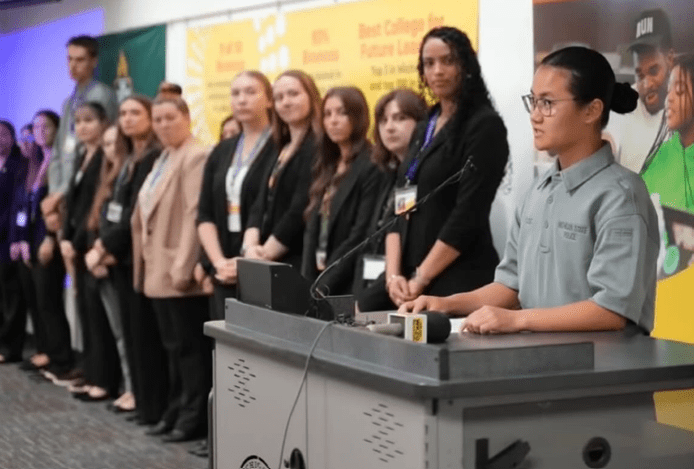
Photo provided by Madelyn Mill
Mill is on track to attend the 152nd Trooper Recruit School, which begins on July 5.
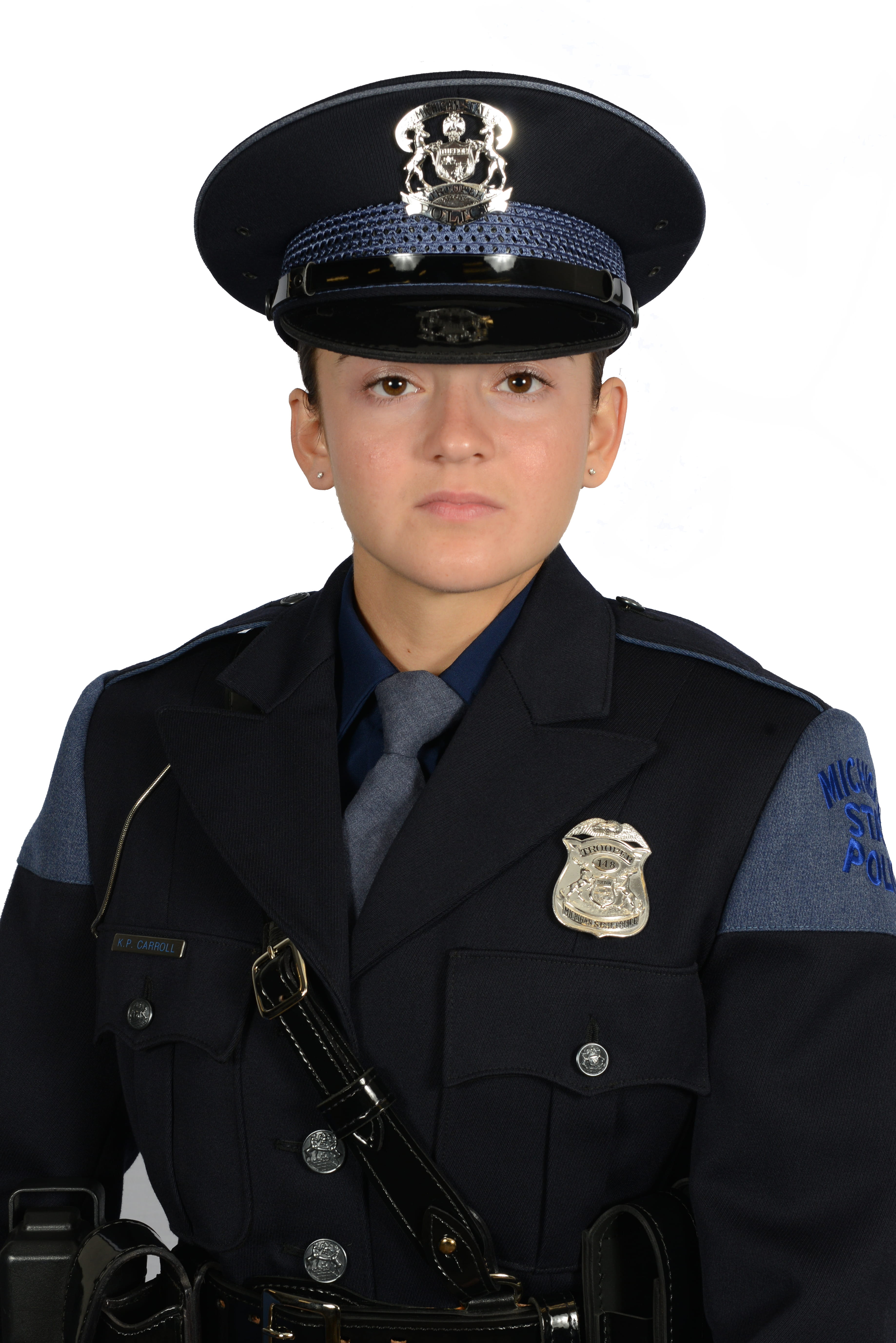
Tpr. Kasey Carroll has a similar story and degree from WMU.
“In the Cold Case Program we were immersed in case work, and it helped me understand I love working with victims through the course of an investigation,” said Trooper Carroll, who now works at the Paw Paw Post as a trooper. “This experience changed my career trajectory.”
First launched in 2020 with WMU and Michigan State University (MSU), the MSP has expanded its partnerships to now include cold case investigative programs at Grand Valley State University (GVSU) and Northern Michigan University (NMU).
“These students are a force multiplier,” said D/Sgt. Larry Rothman, assigned to the MSP First District Cold Case Unit working with MSU students. “Not only are they an extra set of eyes, but the time they free up for detectives is invaluable. We are truly collaborating on leads they generate. That’s direct job training most can’t access before becoming employed.”
The successes of these programs are stacking up too. Most recently, a Saginaw man was sentenced in the 2003 sexual assault and murder of Jeanette Wilton.
While course structures differ by university, participating students must commit to at least two semesters and then they receive credits for class and laboratory work. Limited paid positions are also available for those wanting to continue in a leadership role with the program.
In total, an estimated 12 troopers started as students at one of the four programs and at least seven former students, like Mill, are on the roster to join upcoming trooper recruit schools.
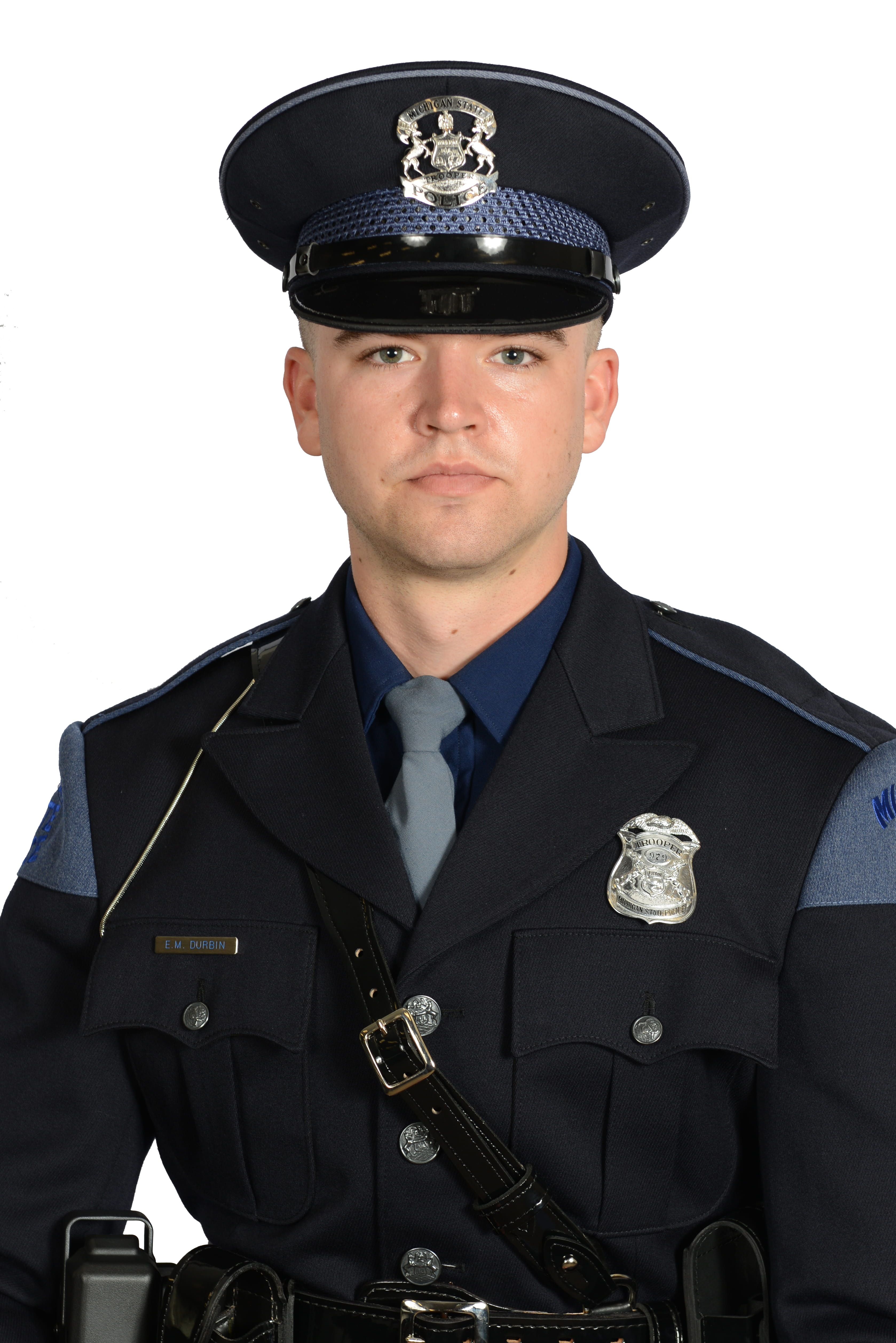
“After organizing and analyzing case files, I helped create an animated presentation showing what we believe happened ballistically at the scene of a nearly 20-year-old unsolved homicide,” said Tpr. Evan Durbin, who participated in the program at NMU and is now assigned as a trooper at the MSP Negaunee Post. “The work we did came down to attention to detail. It directly applies to my job now and has helped to prepare me for what could come next in my career."
For more information about a career with the MSP, visit www.michigan.gov/MSPjobs.