The web Browser you are currently using is unsupported, and some features of this site may not work as intended. Please update to a modern browser such as Chrome, Firefox or Edge to experience all features Michigan.gov has to offer.
Western U.P. Flooding - DR-4381
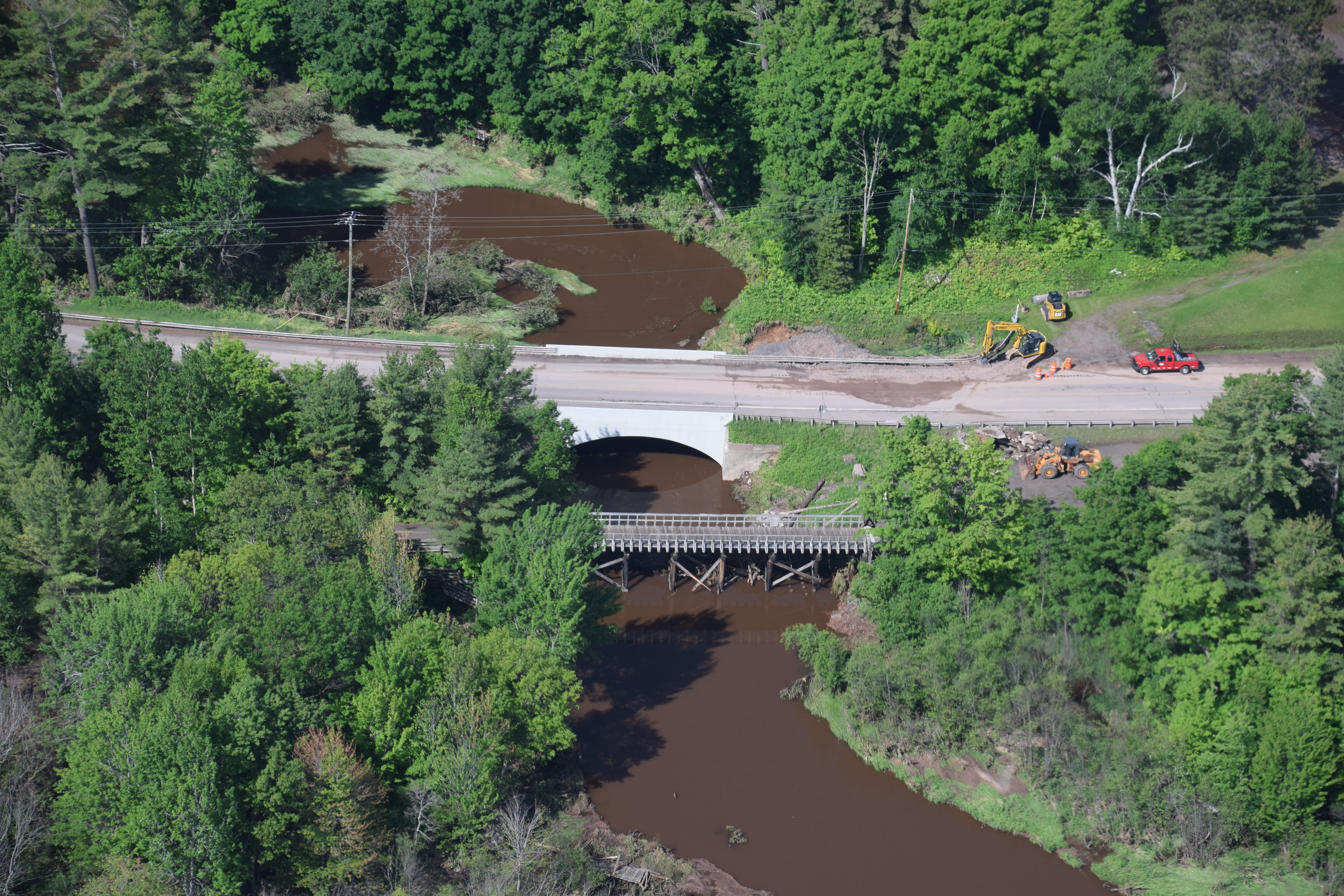
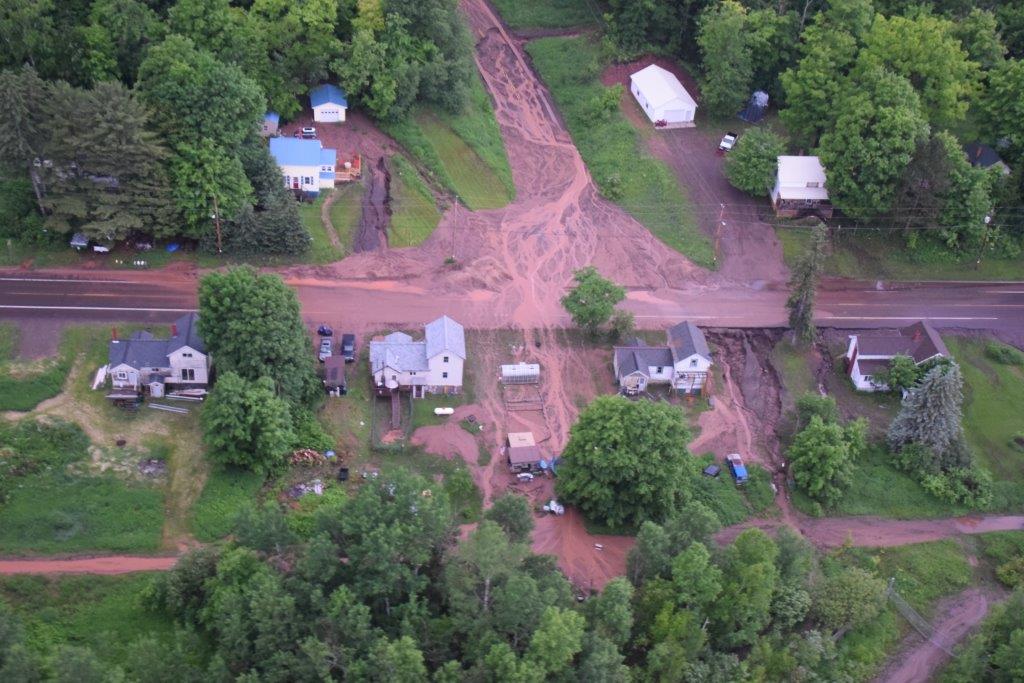
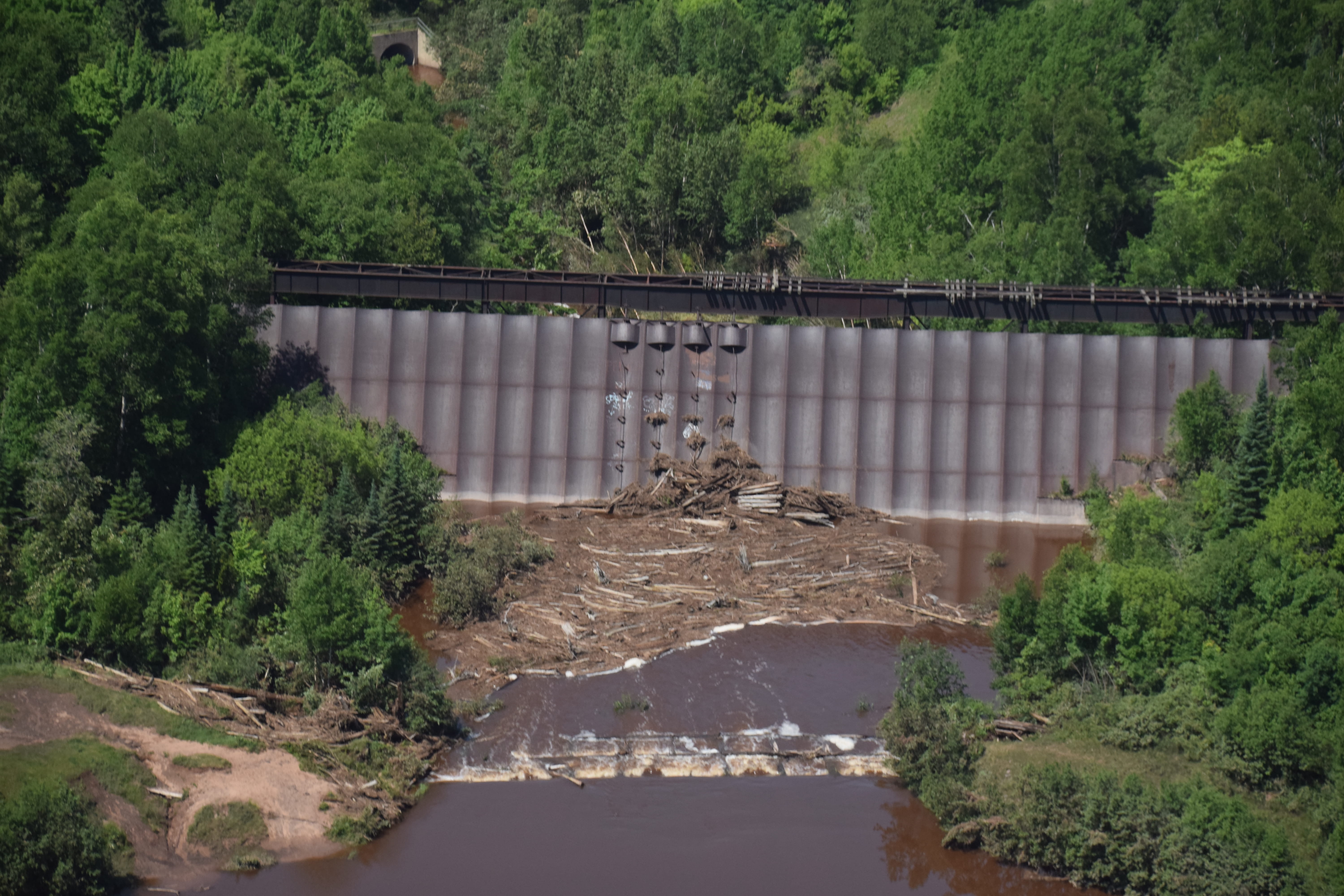
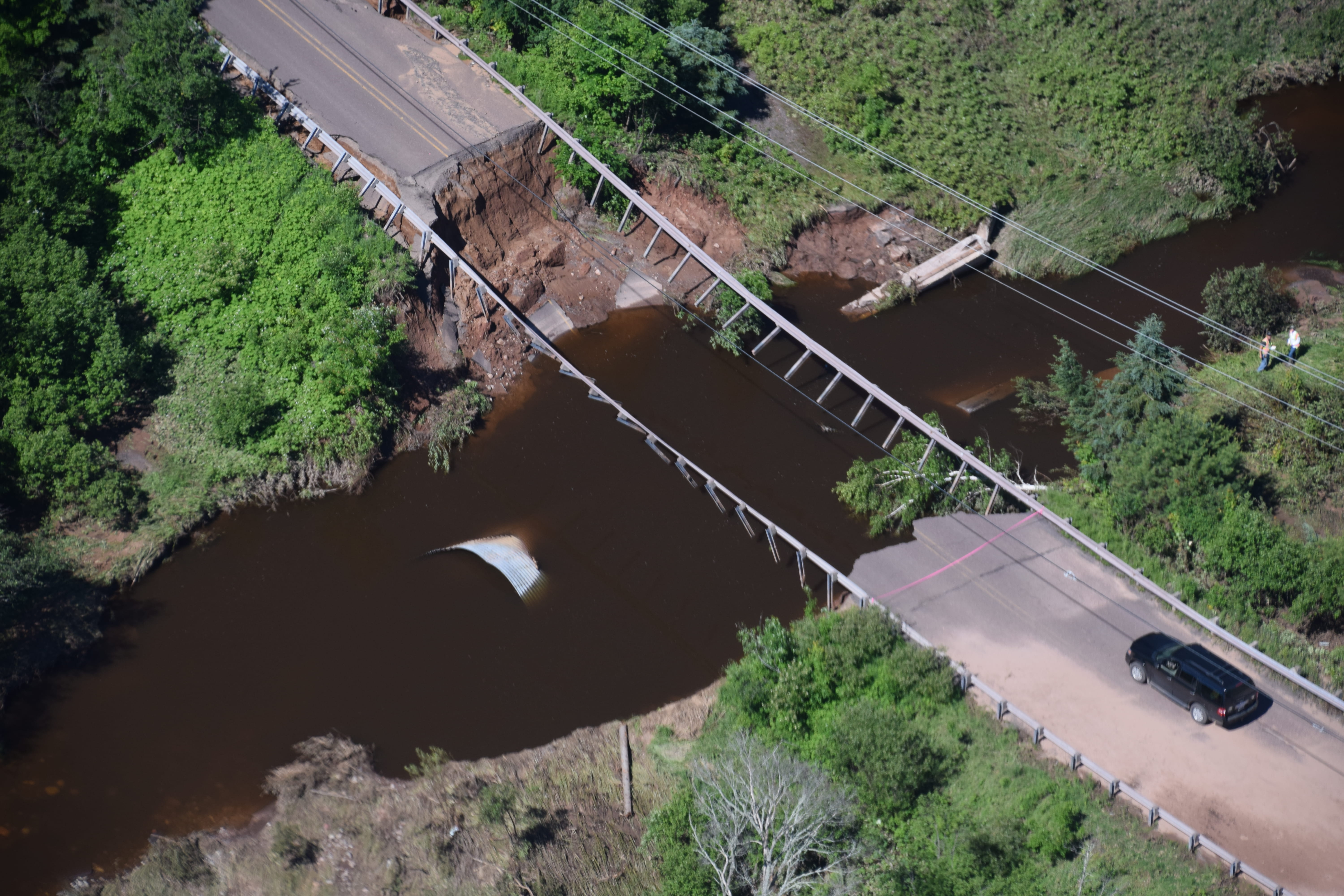
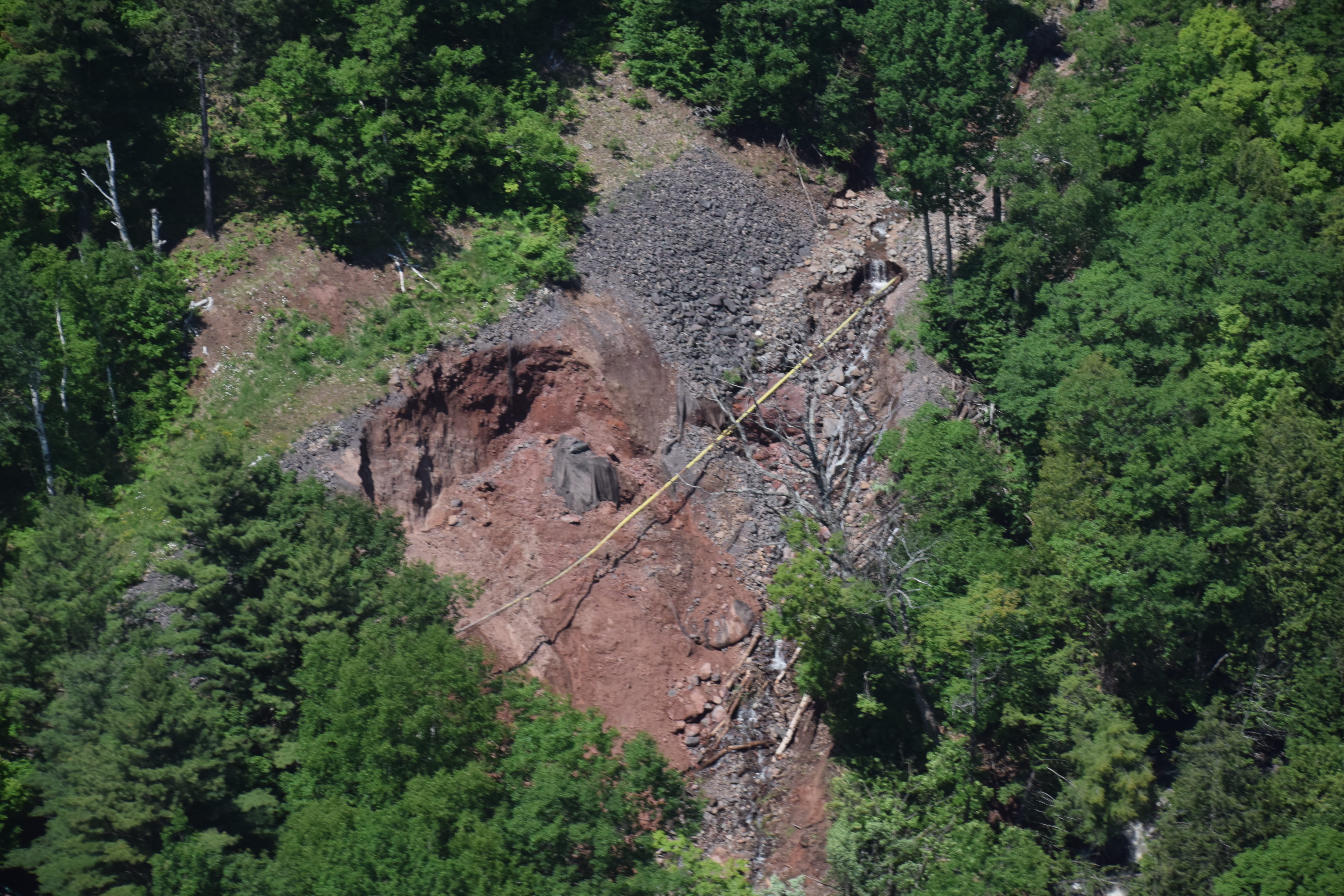
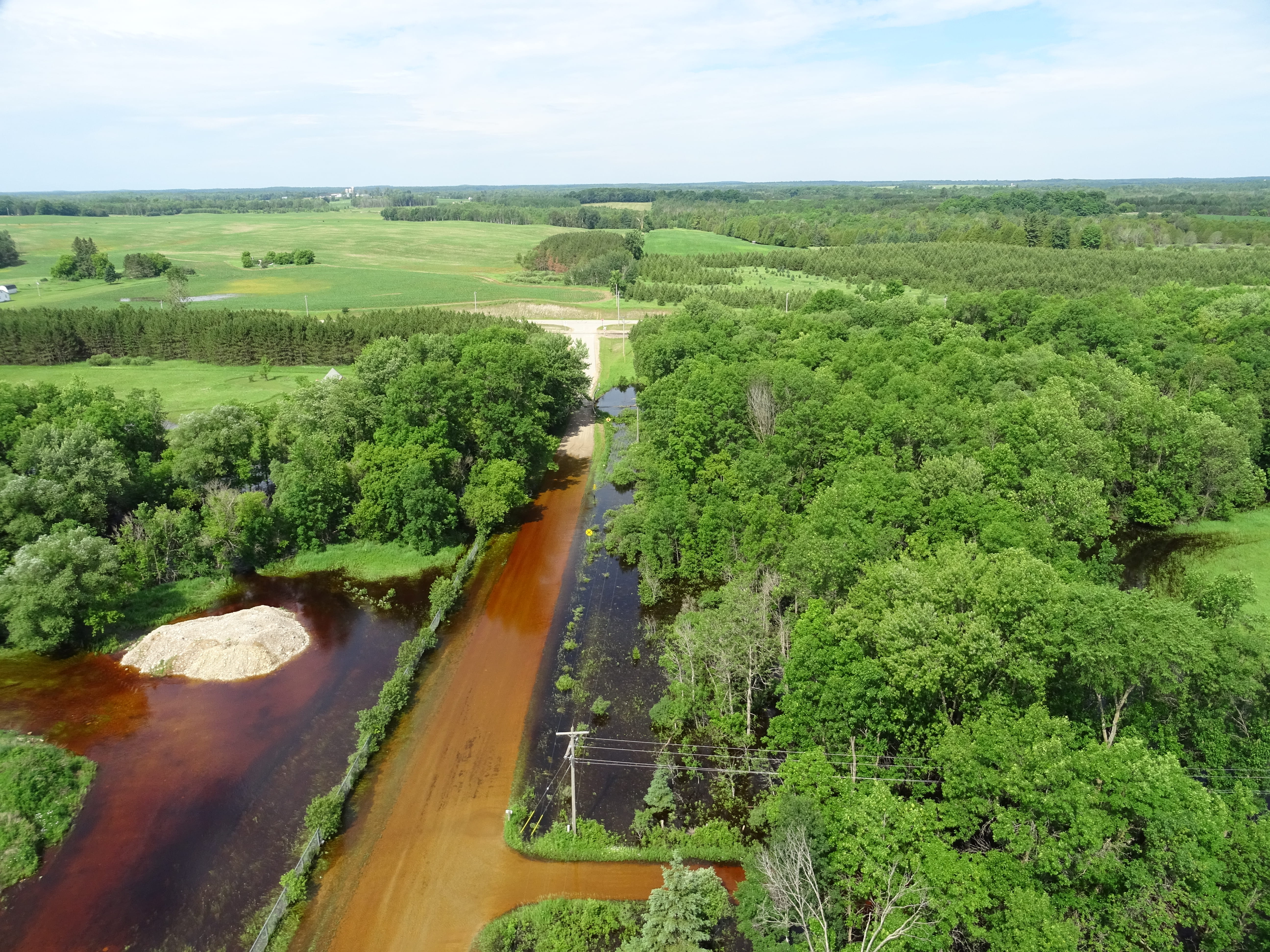
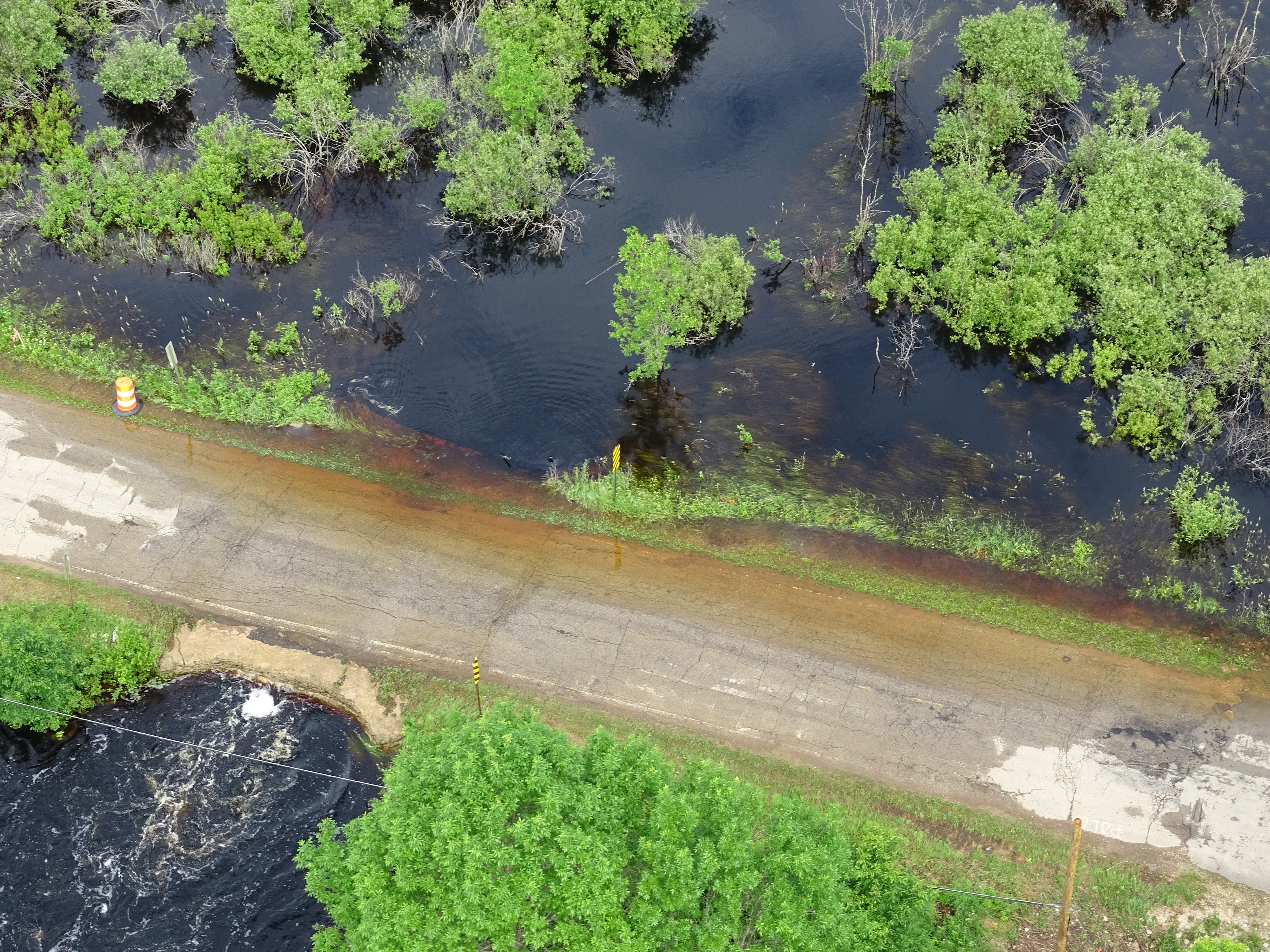
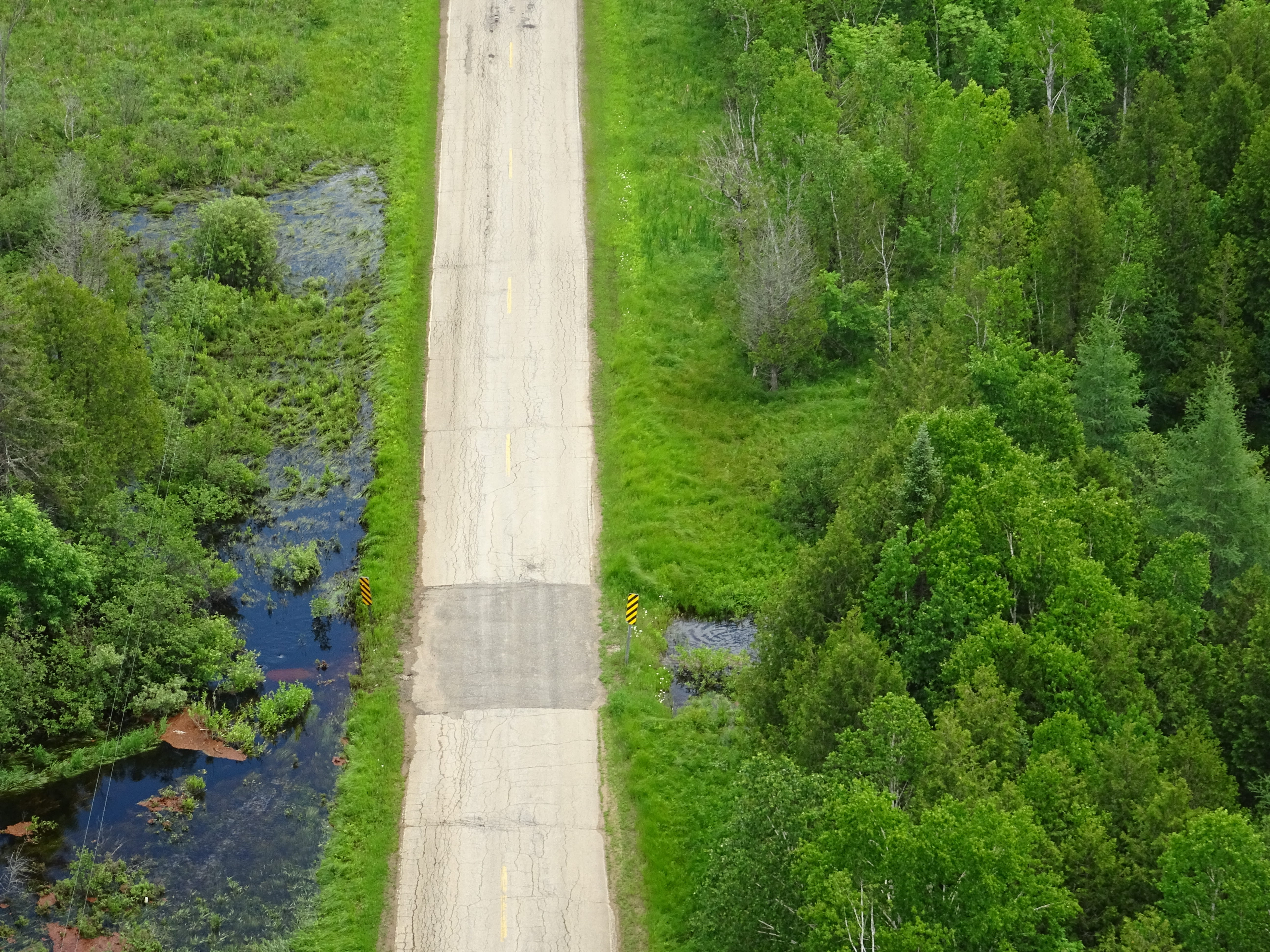
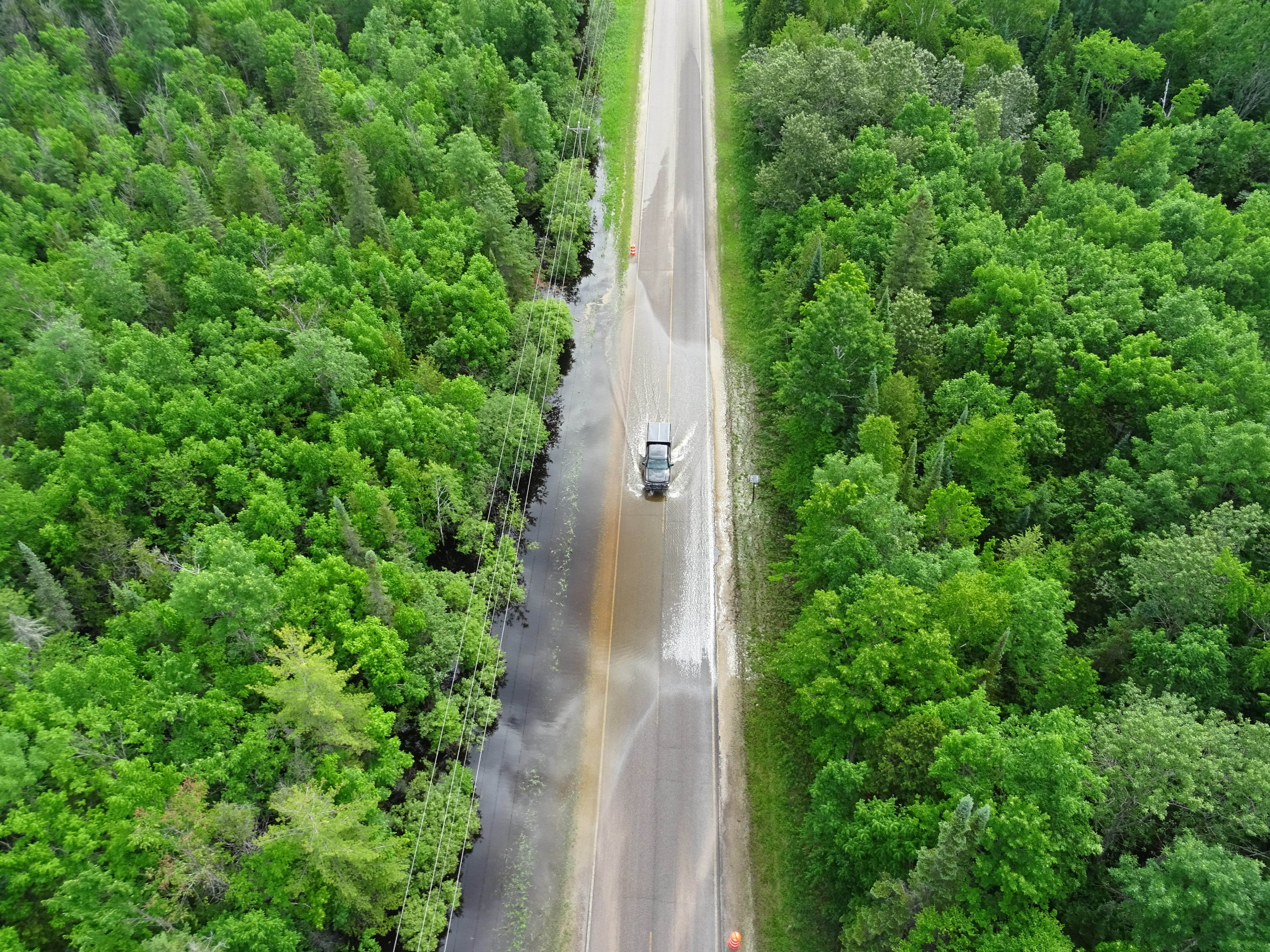
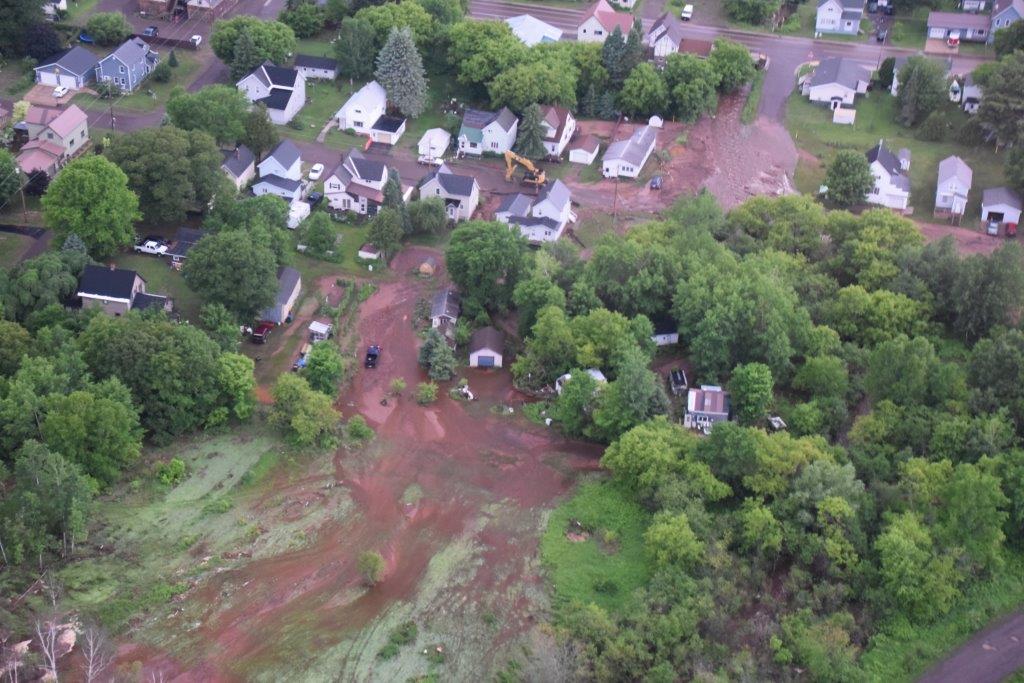
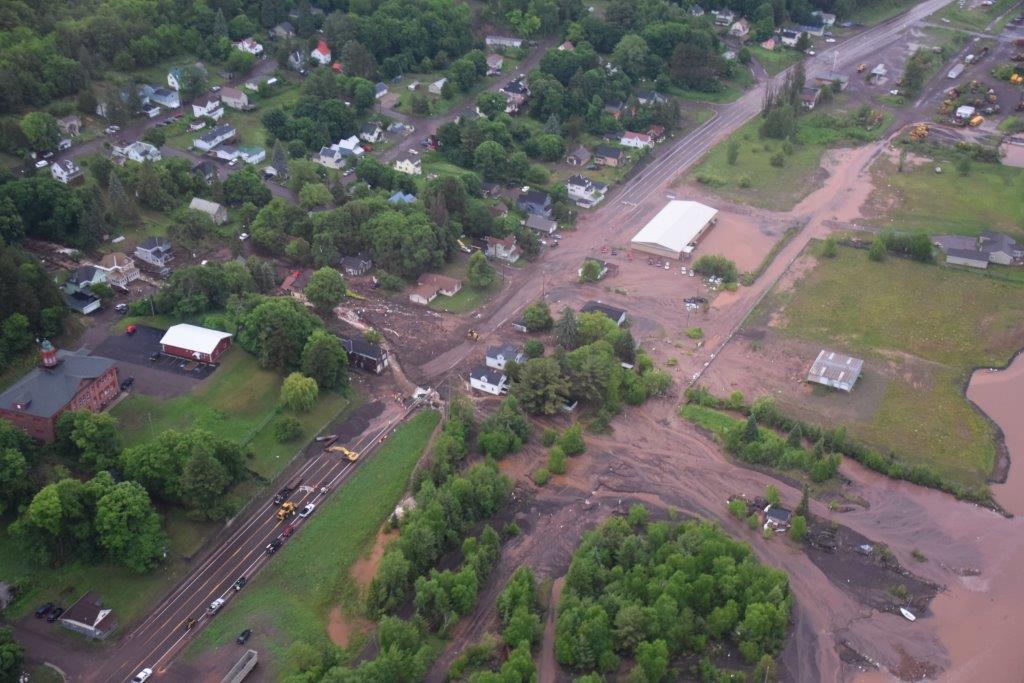
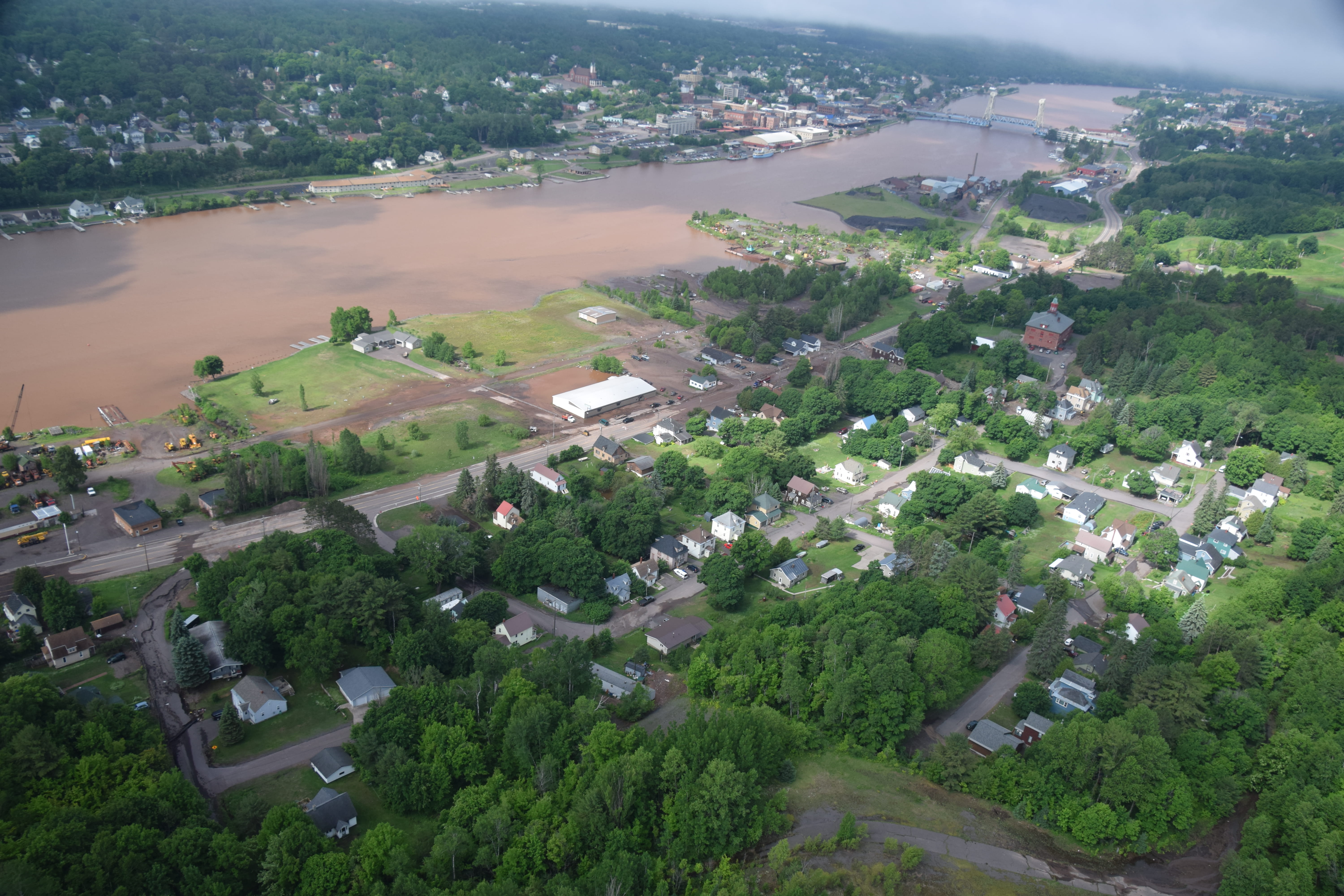
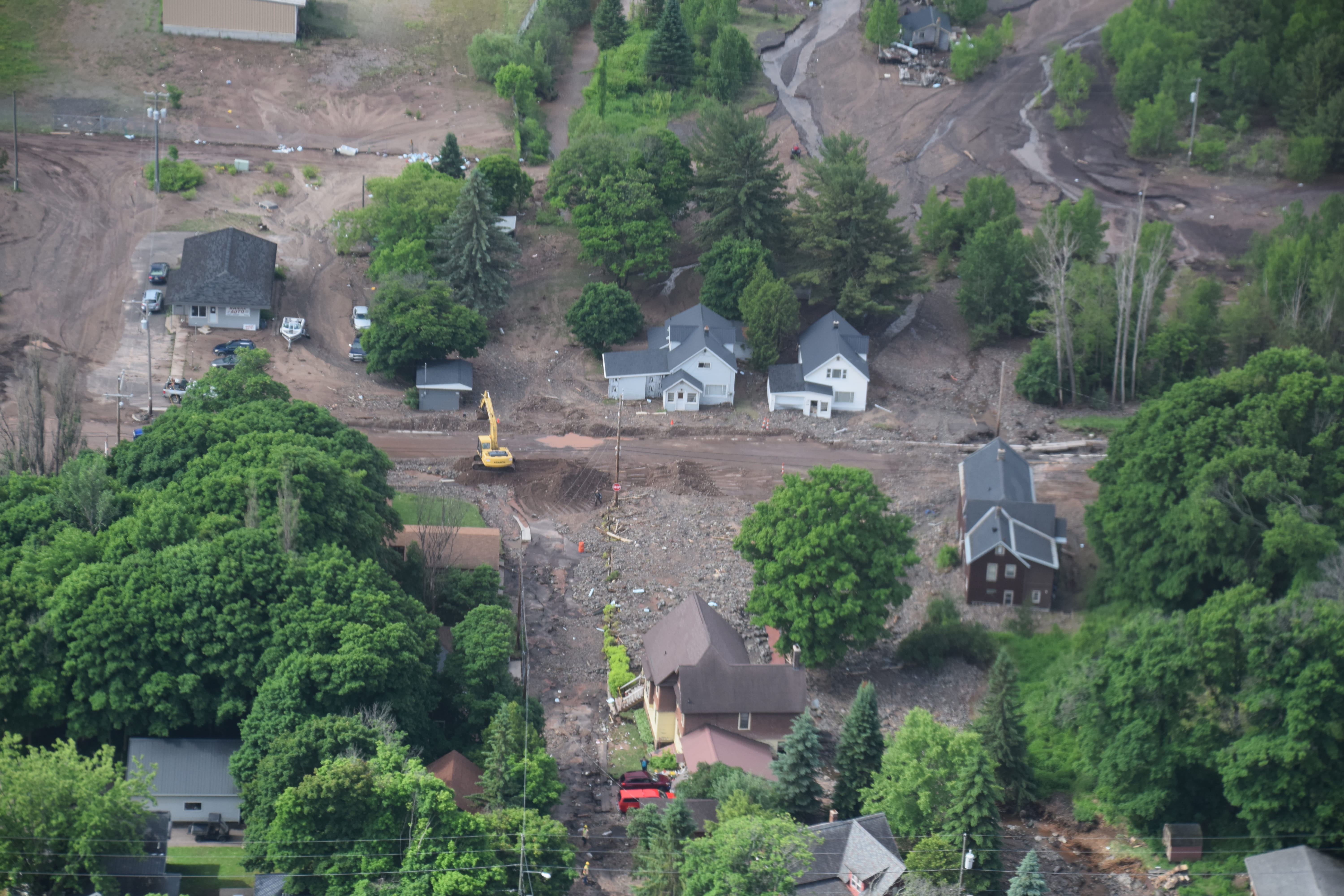
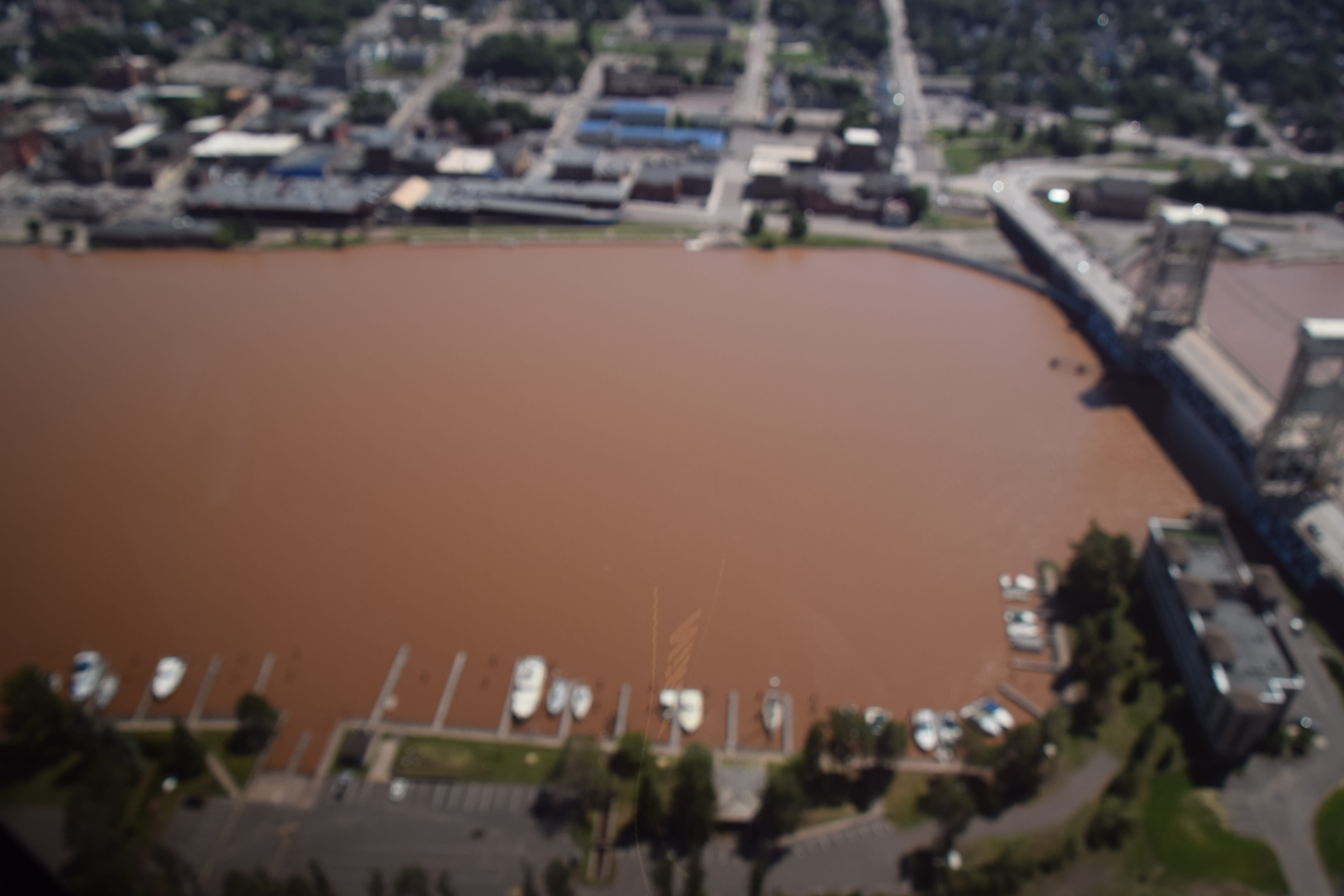
The State of Michigan activated the State Emergency Operations Center (SEOC) on June 17, 2018, due to flooding and severe weather in Houghton and Menominee counties.
The SEOC was activated as of 11:23 a.m., according to the Michigan State Police, Emergency Management and Homeland Security Division (MSP/EMHSD). SEOC personnel are monitoring the situation and working with state and local officials as well as private sector partners to ensure any resource needs are met. MSP/EMHSD district coordinators are on scene with local emergency management officials and supporting local emergency operation centers.
The SEOC is overseen by the MSP/EMHSD and coordinates response and recovery efforts by state agencies and local government. The SEOC is staffed by members of state agencies for decision making and information coordination during disasters or emergencies in the State of Michigan.
Partners and Tactics
-
Michigan Department of Transportation
Awareness
- Uses crash data to identify fatality and serious injury risk by both location and roadway characteristics. Proposed safety-oriented road projects must demonstrate risk, and mitigation of that risk through the proposed treatment, to receive funds.
- Regularly conducts Road Safety Audits for upcoming projects and/or problematic crash locations via independent, multi-disciplinary teams that identify and recommend potential safety treatments.
- Proactive in promoting the Safe System Approach with internal staff through statewide presentations and regional workshops. This effort is expanding into regional analysis of fatal and serious injury crashes to identify both crash trends and problematic roadway characteristics for enhancing the Michigan Department of Transportation’s (MDOT’s) focus and decision-making toward achieving significant improvements in traffic safety.
- Provides a weekly Toward Zero Deaths (TZD) update that includes educational information, relevant crash data, and year-to-date fatalities and serious injuries on Michigan roadways. Posts year-to-date fatalities on permanent dynamic message signs across the state once per month. Recently posted Hands-Free Law signs on the exit ramps from all rest areas and welcome centers.
- Offers an extensive compilation of brochures, posters, etc., aimed at educating drivers on roadway features, traffic control devices, and safety campaigns. These items are available online and at welcome centers and MDOT Transportation Service Centers.
Enforcement
- MDOT’s Freeway Courtesy Patrols and Traffic Operations Centers are provided in greater metropolitan areas, including Lansing, Detroit, and Grand Rapids.
Engagement
- MDOT safety programs participate in the annual Transportation and Civil Engineering Program (TRAC) Challenge and provide promotional material on traffic safety.
- Safety programs provide a Toward Zero Deaths (TZD) table at many events throughout the year, including some Great Lakes Loons baseball games at Dow Diamond in Midland. The TZD table includes impairment goggles to demonstrate the dangers of operating vehicles while under the influence.
- MDOT staff and regional teams regularly attend respective school career days and other events to promote traffic safety.
- MDOT serves on the Governor’s Traffic Safety Advisory Commission (GTSAC).
- Piloting technologies with vendors, with the goal of improving work zone safety and awareness.
- Created a parent-focused, safe-driving program to encourage parents and care givers to demonstrate the behavior they want their teen driver to follow.
- Support deployment of speed and distracted-driving detection cameras, such as Acusensus, in high-frequency zones.
- Expanding simulator scenarios and reporting:
- Working to develop additional driver education and distracted-driving simulations to increase educational efforts and experiential learning. Also working to expand the data/analytic reporting capabilities of the simulator to ensure reportable results and define behavioral/attitudinal changes in risk perception.
- MDOT serves on the Governor’s Traffic Safety Advisory Commission (GTSAC).
-
Michigan Office of Highway Safety Planning
Awareness
- Continue to support the University of Michigan Transportation Research Institute (UMTRI) and utilize the crash data to support more than 100 traffic safety projects for Fiscal Year 2026 covering traffic safety enforcement, paid media campaigns, local community programs, research, public education and outreach, and traffic records improvements.
- Piloting an outreach program to provide businesses and employers with traffic safety materials for their employees. Working to develop a statewide process to continue this effort.
- The OHSP is providing grant funding in Fiscal Year 2026 to the League of Michigan Bicyclists to provide online education on pedestrian and bicyclist safety laws. In addition, the Detroit Safe Routes Ambassadors work with local driver’s education providers to give traffic safety presentations during their courses.
Enforcement
- The OHSP is providing approximately 45 overtime enforcement grants for Fiscal Year 2026 to focus on impaired driving, seat belt usage, distracted driving, speed, pedestrian and bicyclist, and school bus enforcement efforts.
- Encourages our overtime traffic enforcement grant recipients to utilize traffic crash dashboards from the University of Michigan Transportation Research Institute and the Michigan State Police Criminal Justice Information Center when developing focused enforcement strategic plans
Engagement
- Supports “Strive for a Safer Drive” teen safe-driving program in more than 30 high schools annually as well as Ford Driving Skills for Life events throughout the state.
- Provides safe-driving information to citizens and groups through its Traffic Safety Materials Catalog.
- Partners with Cartoonversations to provide traffic safety books, videos, and other materials to students.
- Provides child passenger safety training where car seats are distributed through local partners.
- Promote safe-driving applications through outreach efforts including social media, website, and media relations.
- Partnered with Brogan & Partners to inform the public and partners about the SAFER by 2030 initiative. The OHSP will continue support by promoting the program to traffic safety partners via the GTSAC Action Teams, the Traffic Safety Networks, and through various newsletters and listservs.
-
Michigan Department of State
Awareness
- Provides public education campaigns and materials to increase driver awareness about the presence of motorcyclists on the road and prevent motorcyclist-motorist crashes. The department teams with an advertising agency annually on a paid awareness campaign and hosts the “Look Twice” website (www.michigan.gov/LookTwice). It also promotes aging driver safety via the “Aging Driver” website and by providing “Michigan’s Guide for Aging Drivers and Their Families” both in print and online (www.michigan.gov/AgingDriver). The Michigan Department of State (MDOS) has also served as a partner on multi-agency information safety campaigns such as heatstroke prevention awareness with the Michigan Department of Health and Human Services (MDHHS) and the OHSP and school bus safety with the Michigan Department of Education and the Pupil Transportation Advisory Committee.
- Oversee driver licensing and testing as well as motorcyclist training and endorsements. The training of new drivers and motorcyclists, and oversight of the companies that provide training, helps ensure that Michigan drivers are knowledgeable of the rules of the road to help reduce the number of crashes and their associated fatalities and injuries. A copy of “The Supervised Driving Guide” is provided to each adult who brings a teen into a Secretary of State office to receive their free Level 1 Learner’s License. The guide provides lessons and tips for adults to coach their teens during their minimum 50 hours of supervised driving time.
- Produces and provides additional materials for both teens and new drivers such as “The Driving Skills Test Study Guide” and materials for all drivers such as “What Every Driver Must Know.” MDOS also provides materials for additional testing including the CDL manual for Commercial Driver’s Licensing testing.
Engagement
- The Drivers Age 20 and Younger Action Team offers a list titled “Technology Resources for Safe Driving” that includes apps for parents and guardians to help monitor their teen's driving, with the goal of decreasing teen traffic fatalities and serious injuries. The list is hosted on the MDOS and OHSP websites.
- An MDOS representative serves on the Governor’s Traffic Safety Advisory Commission. MDOS staff currently chair the Drivers Age 20 and Younger Action Team, the Older Driver Mobility and Safety Action Team, and the Motorcyclist Safety Action Team.
- MDOS also has at least one representative on each of the action teams represented in the Strategic Highway Safety Plan.
-
Department of State Police
Awareness
- Utilizes the Michigan Crash Analysis Tool to locate traffic crash locations and view traffic crash dashboards. This is helpful to identify problem areas.
- Michigan State Police (MSP) districts utilize the district Public Information Officers as much as possible to bring awareness to traffic safety initiatives.
- MSP community service troopers provide educational materials and programs at various events.
Enforcement
- MSP districts and posts conduct traffic enforcement details throughout the year. Most of the districts have a dedicated traffic safety team that focuses on traffic safety.
- MSP districts participate in Operation C.A.R.E. (Crash Awareness and Reduction Efforts) details throughout the year.
- MSP worksites utilize traffic stop and traffic crash dashboards to help identify problem areas for directed patrols.
- MSP has a legislative liaison section that works on various projects with legislators.
Engagement
- Community service troopers conduct teen defensive- and distracted-driving programs as well as drunk-goggle simulator programs at various schools throughout the state.
- Conducts teen defensive-driving schools and winter-driving programs at the MSP drive track.
- Participates and supports the Governor’s Traffic Safety Advisory Commission and its initiatives, including the SAFER by 2030 campaign.
-
Michigan Department of Health and Human Services
Department of Health and Human Services
Awareness
- MDHHS Bureau of Aging, Community Living and Supports (ACLS) staff ensure seniors are aware of the resources available to them, such as the “Safe Drivers Smart Options: Keys to Lifelong Mobility” website and “Michigan’s Guide for Aging Drivers and Their Families.”
- Presents annually at the fall meeting and a reminder of resources at the spring meeting.
- Supports community education campaigns with safety messages for pediatric heat stroke prevention and child passenger safety. Distributes messages to a wide array of partners for community events that support traffic safety, including car seat checks, trainings, and CarFit events.
- Evaluates vital records and hospitalization and emergency department data for crash-related injuries and deaths.
- Directs community members and partners to State of Michigan resources for new drivers and older drivers. Shares materials and CheckPoints resources developed by the University of Michigan to support parents of novice drivers.
Enforcement
- Support messaging to change child passenger safety law and help disseminate messages for Michigan State Police campaigns.
- Will educate the agencies on aging in the use of the dashboard at the All-Star Meetings.
Engagement
- Shares novice-driver information and resources with community partners, parent organizations, and Michigan Department of Education partners.
- Provides support to traffic safety partners’ older-driver initiatives whenever possible, such as offering older-driver materials and participating in the CarFit programs. Also, the Safe Drivers Smart Options website is shared with partners to address fall prevention, dementia, and healthy brain partners.
- MDHHS serves on the Governor’s Traffic Safety Advisory Commission (GTSAC) and provides representation on the GTSAC Drivers Age 20 and Younger Action Team, Impaired Driving Action Team, Occupant Protection Action Team, Older Driver Mobility and Safety Action Team, and the Pedestrian and Bicycle Safety Action Team.
- Older adult program materials, websites, and promotions are shared with the Area Agency on Aging Association newsletter.
-
Bloomfield Hills Department of Public Safety
Awareness
- Utilizes monthly statistical reports to identify high-traffic complaints and vehicle-crash locations throughout the jurisdiction to direct patrol and enforcement operations. The data includes location, date, time, and hazardous actions associated with the crash or violation.
- Provides monthly communications to elected leaders including the agency’s commitment to patrol operations, which focus on preventative patrols and enforcement on area roadways due to the elevated safety and noise concerns associated with summer traffic and in support of Michigan’s summer safety program, which combats the “100 Deadliest Days of Summer.”
- Maintains a variety of traffic safety materials available to the public at the command desk. Provides safety information at an annual open house.
Enforcement
- Department has recently achieved full staffing, allowing officers to conduct targeted preventative-patrol operations and enforcement based on complaints and data collected by their systems and staff.
- Utilizes monthly statistical reports to identify high traffic complaints and vehicle crash locations throughout the jurisdiction to direct patrol and enforcement operations. The data includes location, date, time, and hazardous actions associated with the crash or violation.
- Chief King has contacted elected officials at the local and state levels to provide insight and recommendations on prospective legislation to aid law enforcement in improving safety and quality of life related to traffic laws and safety. He has also served on the Michigan Association of Chiefs of Police (MACP) Traffic Safety Board, the Governor’s Traffic Safety Advisory Commission, and MACP’s Legislative Committee.
Engagement
- School liaison officers provide traffic safety presentations to school staff and students throughout the year.
-
The Kiefer Foundation
Awareness
- Crash-data storytelling: Sharing Mitchel Kiefer’s story via high school presentations, highway marker signage, and event displays to personalize crash statistics.
- Current in-school and community education/engagement efforts include:
- Just Drive Simulator pilot programs in schools. Simulators are in four pilot high schools in Michigan, with the addition of at least two currently in process.
- “Smart Sign” speed/distraction/seat belt detection and educational tool has been deployed at Detroit Catholic Central High School to sense driving behavior and provide real-time safety directives to drivers. Preliminary results suggest a 20 percent reduction in unsafe driving behaviors under the three factored conditions.
- Safe-driving tech promotion: Advocating for Do Not Disturb modes and safe-driving telematics applications, as well as the use of hands-free phone holders or in-car technology to ensure compliance with Michigan’s Hands-Free Law.
Enforcement
- Leveraging Cambridge Mobile Telematics dashboards and Advisory Board and Street Vision data insights to help guide law enforcement priorities.
- Hands-Free law education: Working to develop supportive materials for law enforcement agencies to highlight best practice enforcement methods. Also working to create driver-centric educational materials for law enforcement’s roadside education.
- Hands-Free legislation advocacy: Supported the passage of Michigan’s Hands-Free Law in 2023, with a current and continued focus to do press and media events in Michigan to help bring attention toward focused and distraction-free driving.
Engagement
- School and youth outreach:
- Virtual reality simulator in four pilot schools.
- Messaging at USA Hockey Memorial ice rink events.
- Working to develop a parent-focused campaign to raise awareness about parental responsibilities and youth prevalence rates of dangerous driving. Special emphasis is currently being focused on passenger roles and responsibilities to speak up if their driver is unsafe.
- Active promotion of Cambridge Mobile Telematics’ and safe-driving incentive systems.
- Working to expand Safer by 2030 coalition strategy:
- Introduce Define, Measure, Analyze, Improve, Control (DMAIC) mechanisms into our diagnosis of crash measurement and future interventions. Encourage the review of all crash causes and suggest specific interventions to address each root cause. Focus initiatives on infrastructure improvements, driver education, technology integration, and enacting policy changes. Consideration in all aspects toward the 4 E’s of traffic safety – Engineering, Education, Enforcement, and Emergency Services.
- Community-based peer programs: Harness youth ambassadors in high schools to normalize speaking up to distracted peers.
- Develop and expand communication with tax collection and Secretary of State offices to educate on Michigan’s Hands-Free Law and Graduated Driver Licensing requirements.
- Review Michigan’s current driver education curriculum and ensure alignment with the national models. Engage partners at the Michigan Driver and Traffic Safety Education Association.
-