The web Browser you are currently using is unsupported, and some features of this site may not work as intended. Please update to a modern browser such as Chrome, Firefox or Edge to experience all features Michigan.gov has to offer.
What's New
September is Childhood Obesity Awareness Month
September is Childhood Obesity Awareness Month, a time to focus on the health and well being of children and adolescents in Michigan.
New findings from the Michigan Youth Risk Behavior Survey (YRBS) show that adolescent obesity has increased between 1999 and 2025, rising from 10.8% to 14.8%. This long-term trend reminds us that supporting healthy growth for Michigan youth continues to be a shared priority for families, schools, health providers, and communities.
Recent data from the National Survey of Children’s Health (2023–2024) adds more context to how daily habits impact youth health. One in five children under age 18 (20.4 %) in Michigan spend four or more hours per weekday using screens for entertainment, including TV, phones, gaming, internet use, and social media. High screen time can reduce opportunities for active play and physical activity that are essential for healthy growth.
Childhood obesity has many contributing factors. According to the Centers for Disease Control and Prevention (CDC), eating habits, physical activity levels, sleep patterns, family routines, and the environments where children live and learn all play a role.
Small, practical steps can make a meaningful difference. Families can help by offering more fruits and vegetables, choosing water instead of sugary drinks, encouraging daily active time, and sticking to consistent sleep schedules. These routines help build lifelong healthy habits.
You can explore Michigan Youth Risk Behavior Survey trend data on our Physical Activity and Nutrition (PAN) Epidemiology webpage.
If you are looking for easy tools to support healthier routines at home or in your community, the following resources may be helpful:
- Preventing Childhood Obesity: 6 Things Families Can Do | Obesity | CDC
- Making Physical Activity Part of a Child's Life | Physical Activity Basics | CDC
- National Childhood Obesity Awareness Month | WIC Works Resource System | U.S. Department of Agriculture
Source: Michigan Youth Risk Behavior Surveillance System (1999-2023)
Source: National Survey of Children’s Health (2023–2024)
Stroke: Act FAST, Stay Healthy, and Help Raise Awareness
It's always a good time to learn the signs of stroke and how to prevent it. A stroke happens when the brain loses blood supply, either from a blockage or burst blood vessel. Timely detection and treatment can significantly reduce the impact and improve recovery.
Recognize the Signs: BE FAST!
- Balance: Sudden loss of balance or coordination
- Eyes: Trouble seeing in one or both eyes
- Face: Face drooping or numbness
- Arms: Weakness in one arm
- Speech: Slurred or difficult speech
- Time: Call 911 immediately
Prevention is Key
Adopting a heart-healthy lifestyle — like eating a balanced diet, staying active, and managing health conditions — can lower stroke risk. The American Stroke Association Life's Essential 8 guidelines are a great resource for maintaining brain and cardiovascular health.
The Michigan Stroke Program offers community resources and training to help raise awareness and prevent strokes. Learn more about local programs and how you can get involved through the Michigan Department of Health and Human Services (MDHHS) Michigan Stroke Program.
Visit the American Stroke Association for more information.
Spot a Stroke F.A.S.T.
Check out this video from American Stroke Association: Spot a Stroke F.A.S.T.
What Do You Know About Stroke and High Blood Pressure?
A stroke is a medical emergency that can happen to anyone, at any age and at any time. Know the facts! You can take steps to reduce the risk of having a stroke by taking some simple steps.
- Avoid smoking, vaping, and secondhand smoke.
- Get adequate sleep.
- Eat healthy foods that are low in saturated and trans fats.
- Limit your alcohol consumption.
- Get at least 150 minutes of active movement in every week. This will help you to keep a healthy weight and, as a bonus, can help you decrease your stress and help you sleep better too! Check out www.livetothebeat.org
These lifestyle recommendations also work against high blood pressure.
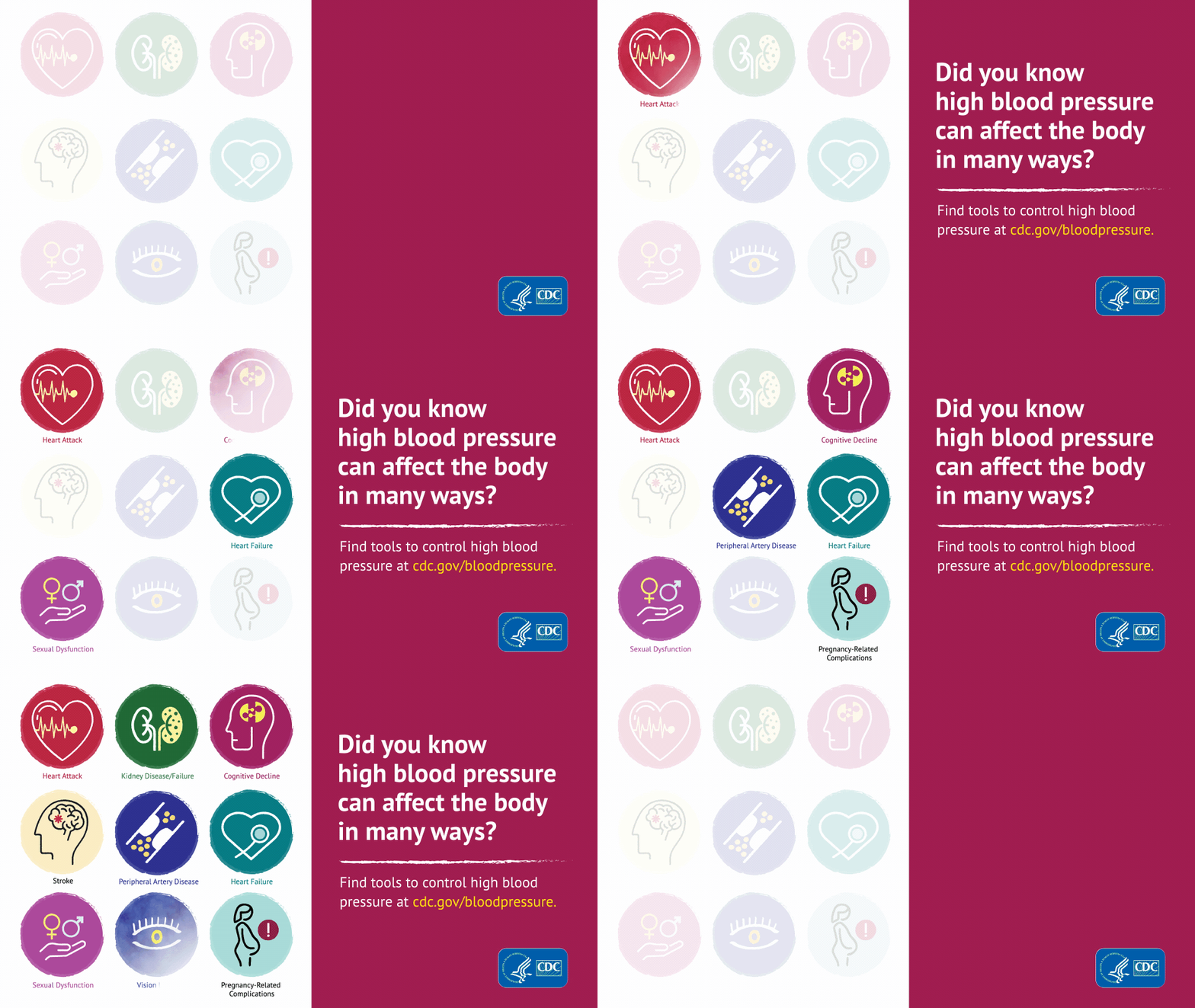
Do you know your blood pressure numbers? High blood pressure is a leading cause of strokes, as well as kidney disease, cardiovascular disease, dementias, and other life-altering conditions.
Regular medical checkups are important to detect and manage blood pressure. If you have high blood pressure, take your medications as directed, measure your blood pressure often, and talk to your doctor about additional things you can do to minimize your risk of high blood pressure and stroke.
Pregnant? Learn About Preeclampsia
Do you know that pregnancy and the six weeks after giving birth is a time when birthing people are at higher risk of a life-threatening high blood pressure condition called preeclampsia?
From 2015 to 2019, complications related to high blood pressure caused more pregnant Michigan individuals to die than any other reason.
Be sure to keep your prenatal and post-delivery appointments, and watch your blood pressure and blood sugar. Make sure to know the warning signs for preeclampsia, such as increased swelling, headache, and shortness of breath. If you experience any of these, talk to your doctor without delay!
For more information, visit the Preeclampsia Foundation at www.preeclampsia.org.
Did You Know Blood Pressure Can Affect Brain Health?
It is normal for your brain to change as you get older. Having healthy blood pressure can lower your risk for memory loss and confusion. Follow your healthcare provider's guidance to manage your blood pressure.
- Monitor your blood pressure.
- Do not use tobacco products.
- Practice good sleep habits.
- Be physically active.
- Eat healthy meals.
- Maintain a healthy weight.
- Limit alcoholic beverages.
- Manage stress.
- Take medications as prescribed.
For more information about blood pressure, visit the Centers for Disease Control and Prevention High Blood Pressure website.
Return to Cardiovascular Health, Nutrition & Physical Activity Section home page
Please Note: Although we make every effort to ensure that our website is compliant with current Americans with Disabilities Act (ADA) standards, some of the links on this page may lead to outside websites that are not ADA-compliant.