Treatment

Home water filter or treatment options depend on what contaminants and how many of the contaminants are found in your water.

Visit the drinking water contaminants webpage to learn more about what contaminants could be in your drinking water and the drinking water testing page for details on testing your drinking water.

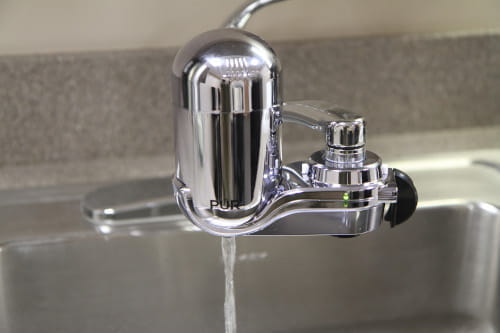
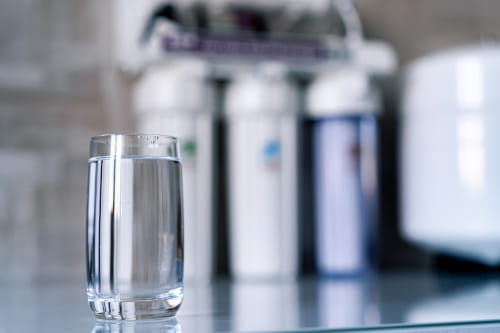
Running faucet with a faucet-mounted water filter Glass of water sitting in front of a drinking water filtration system Filtered water pitcher

Once you know what contaminants are in your water, you can determine what water filter or treatment system is appropriate for your drinking water.

Choosing the right home water filter and treatment option is important. There are things to consider before you pick out what you need. No single filter can reduce all contaminants.

Consider the type of water filter or treatment system you need for your home:

  • Point-of-Use Filters: These filter water from a single tap, such as your kitchen sink. This includes under-sink filters, like reverse osmosis systems, and those that attach to your faucet, like a faucet mount filter.
  • Point-of-Entry Treatment Systems: These filter water as it enters your home, so all the water in your home, from every tap, is filtered. They are sometimes called whole house filters. Examples include water softeners and whole-house reverse osmosis systems.  

Look for filters that are tested and certified to meet the NSF/ANSI Standards to reduce the targeted contaminant.

If you would like help, call your local health department or MDHHS at 800-648-6942 to see which filter is best for you based on your concerns.

Care for your water filter

Make sure you follow the water filter’s manufacturing instructions for installing, operating and maintaining it. If not followed correctly, your filter may not reduce the contaminant(s) as expected.

How to Use Water Filters During a Boil Water Advisory

This fact sheet explains how to use your drinking water filters during a Boil Water Advisory and actions to take once the Boil Water Advisory is lifted.

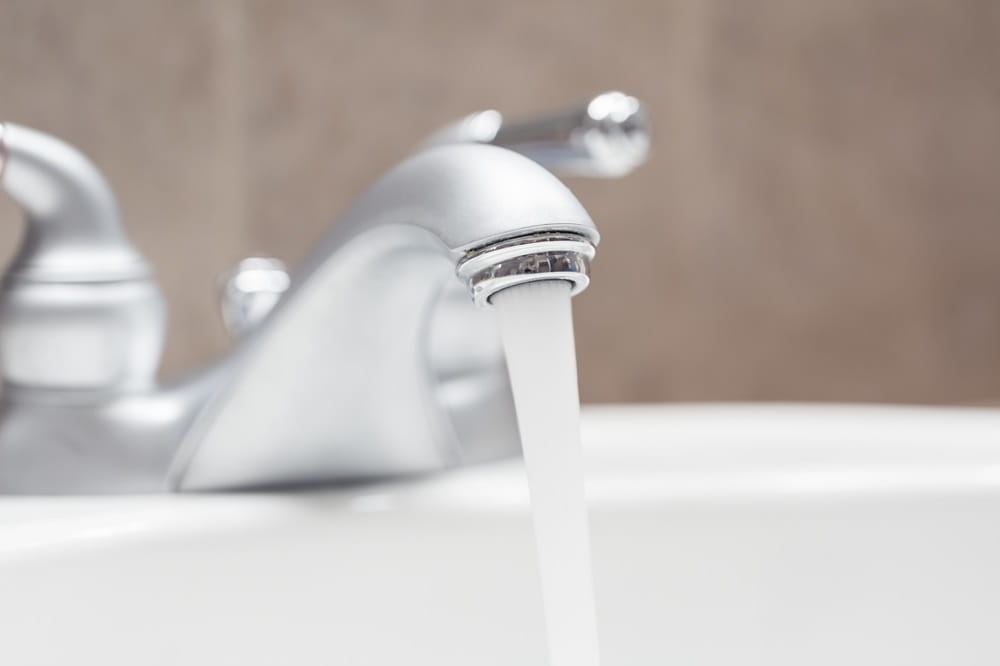
Bathroom faucet with water running

Water quality problems can happen when water sits in your home plumbing for too long. You can maintain your home’s water quality by keeping your water moving. You can keep your water moving by doing everyday activities such as:

  • Running a load of laundry.
  • Washing dishes.
  • Taking a shower.
  • Flushing toilets.

Before using the water from any faucet for drinking or cooking, run the cold water until it goes from room temperature to cold.

Hand holding aerator

There are screens on faucets called aerators. Aerators help keep pieces of lead and other particles from getting into your water. MDHHS recommends that you clean your drinking water faucet aerator at least every six months. If there are construction or repairs to the public water system or pipes near your home, clean your drinking water faucet aerator every month until work is done.

Learn how to clean your aerator.

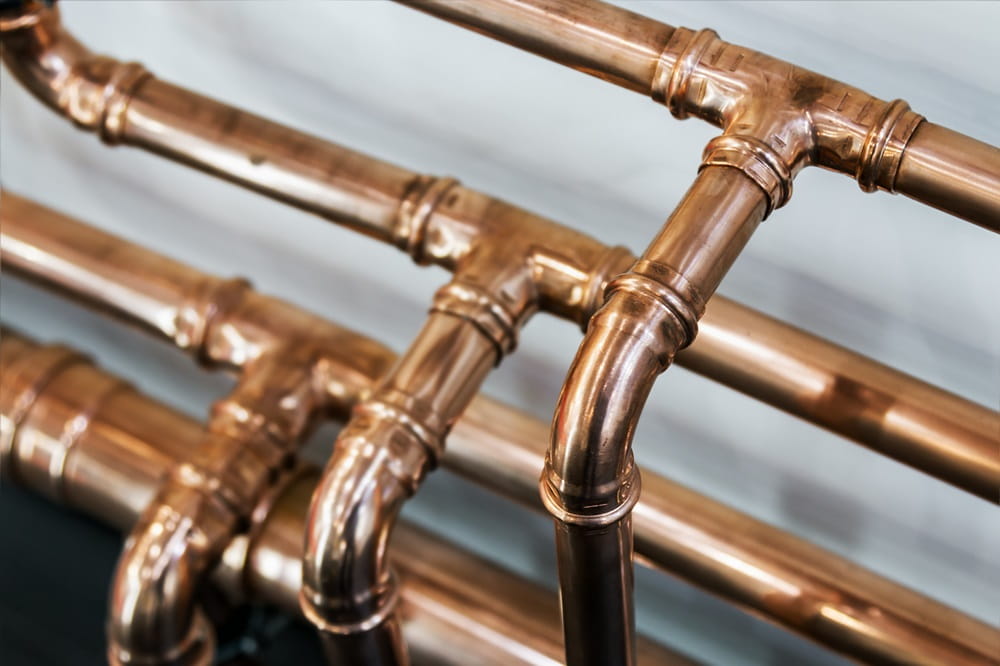
Copper pipes

Your own home’s plumbing can also be a source of contamination in your drinking water. Faucets, fittings, valves and pipes can be made of materials, like lead, that can harm your health. As water moves through plumbing, some plumbing material can dissolve, or pieces can break off into the water.

It is important to know what the plumbing in your home is made of to know if there are risks of drinking water contamination.

Check out this home plumbing checklist to check for lead in your home's plumbing.

Updated 9/3/26