The web Browser you are currently using is unsupported, and some features of this site may not work as intended. Please update to a modern browser such as Chrome, Firefox or Edge to experience all features Michigan.gov has to offer.
What's New
Healthy Eating During the Holidays: Enjoy the Season Without Compromise
The holiday season brings lots of festive meals, sweet treats, and social gatherings. While it is a time to celebrate, it can also be difficult to maintain healthy eating habits. With thoughtful planning and a few practical strategies, you can enjoy the season while supporting your health goals.
Whether you are hosting a dinner or attending a party, small adjustments like mindful portions, healthier ingredient swaps, and balanced choices can make a significant difference. These resources offer tips to help you stay on track without missing out on the joy of the season.
Explore these helpful guides:
- Heart Happy Holiday Guide

- Healthy Eating and the Holidays | Diabetes | Centers for Disease Control and Prevention (CDC)
Physical Activity During the Holidays
The holiday season is a time for celebration, but it can also bring stress and busy schedules. Staying physically active helps reduce stress, improve sleep, and boost energy levels. Even short bursts of movement can support heart health and help maintain a healthy weight.
Here are simple ways to stay active this season:
- Take a brisk walk before or after meals.
- Use stairs instead of elevators when shopping or traveling.
- Park farther away and walk to your destination.
- Try winter activities like hiking, snowshoeing, or sledding in Michigan’s parks and trails.
- Dance to your favorite holiday music or stretch during TV breaks.
Regular movement supports cardiovascular health by improving circulation and lowering blood pressure. The CDC recommends at least 150 minutes of moderate-intensity activity each week. You can break this into small sessions that fit your routine.
Explore more tips from the CDC’s Healthier Holidays in 1-2-3 and discover Michigan’s winter outdoor fun to make movement part of your holiday traditions.
Staying Healthy While Traveling
Traveling during the holidays can interrupt your usual habits, but small choices can help you stay healthy on the go. Whether you’re driving across Michigan or flying to visit family, planning ahead makes a difference.
Here are some travel-friendly tips:
- Pack healthy snacks like fruit, vegetables, or unsalted nuts.
- Bring a reusable water bottle and choose water over sugary drinks.
- Schedule short walking breaks at rest stops or airports.
- Stretch your legs during layovers or long drives.
- Choose stairs when possible and explore walking paths near your destination.
Physical activity during travel helps reduce stress and supports better sleep. Eating well and staying hydrated also help you feel energized and ready to enjoy holiday gatherings.
For more ideas, visit the CDC’s Healthy Holiday Travel Tips.
Stroke: Act FAST, Stay Healthy, and Help Raise Awareness
It's always a good time to learn the signs of stroke and how to prevent it. A stroke happens when the brain loses blood supply, either from a blockage or burst blood vessel. Timely detection and treatment can significantly reduce the impact and improve recovery.
Recognize the Signs: BE FAST!
- Balance: Sudden loss of balance or coordination
- Eyes: Trouble seeing in one or both eyes
- Face: Face drooping or numbness
- Arms: Weakness in one arm
- Speech: Slurred or difficult speech
- Time: Call 911 immediately
Prevention is Key
Adopting a heart-healthy lifestyle — like eating a balanced diet, staying active, and managing health conditions — can lower stroke risk. The American Stroke Association Life's Essential 8 guidelines are a great resource for maintaining brain and cardiovascular health.
The Michigan Stroke Program offers community resources and training to help raise awareness and prevent strokes. Learn more about local programs and how you can get involved through the Michigan Department of Health and Human Services (MDHHS) Michigan Stroke Program.
Visit the American Stroke Association for more information.
Spot a Stroke FAST!
Check out this video from American Stroke Association: Spot a Stroke F.A.S.T.
What Do You Know About Stroke and High Blood Pressure?
A stroke is a medical emergency that can happen to anyone, at any age and at any time. Know the facts! You can take steps to reduce the risk of having a stroke by taking some simple steps.
- Avoid smoking, vaping, and secondhand smoke.
- Get adequate sleep.
- Eat healthy foods that are low in saturated and trans fats.
- Limit your alcohol consumption.
- Get at least 150 minutes of active movement in every week. This will help you to keep a healthy weight and, as a bonus, can help you decrease your stress and help you sleep better too! Check out www.livetothebeat.org
These lifestyle recommendations also work against high blood pressure.
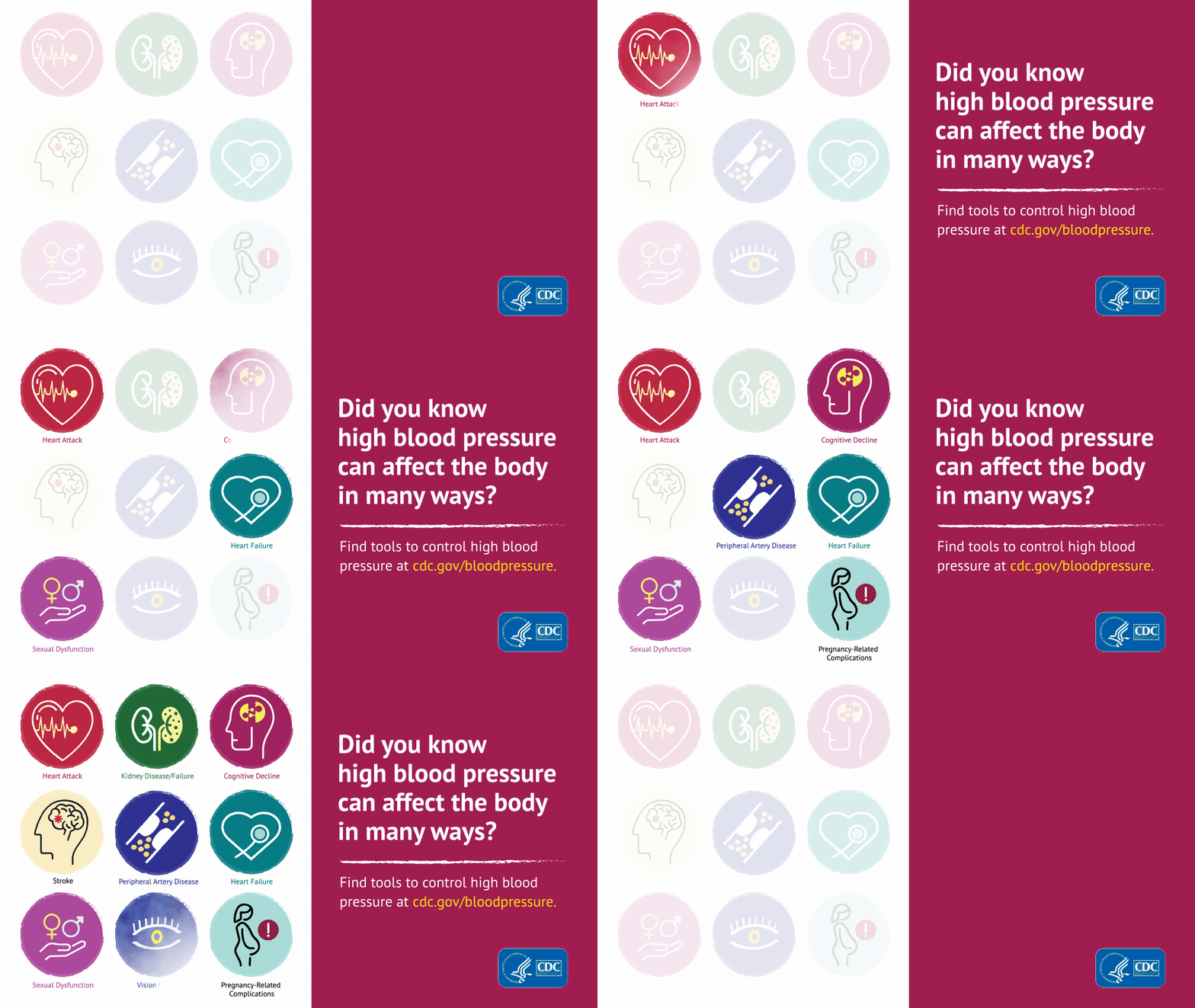
Do you know your blood pressure numbers? High blood pressure is a leading cause of strokes, as well as kidney disease, cardiovascular disease, dementias, and other life-altering conditions.
Regular medical checkups are important to detect and manage blood pressure. If you have high blood pressure, take your medications as directed, measure your blood pressure often, and talk to your doctor about additional things you can do to minimize your risk of high blood pressure and stroke.
Pregnant? Learn About Preeclampsia
Do you know that pregnancy and the six weeks after giving birth is a time when birthing people are at higher risk of a life-threatening high blood pressure condition called preeclampsia?
From 2015 to 2019, complications related to high blood pressure caused more pregnant Michigan individuals to die than any other reason.
Be sure to keep your prenatal and post-delivery appointments, and watch your blood pressure and blood sugar. Make sure to know the warning signs for preeclampsia, such as increased swelling, headache, and shortness of breath. If you experience any of these, talk to your doctor without delay!
For more information, visit the Preeclampsia Foundation at www.preeclampsia.org.
Did You Know Blood Pressure Can Affect Your Brain Health?
It is normal for your brain to change as you get older. Having healthy blood pressure can lower your risk for memory loss and confusion. Follow your healthcare provider's guidance to manage your blood pressure.
- Monitor your blood pressure.
- Do not use tobacco products.
- Practice good sleep habits.
- Be physically active.
- Eat healthy meals.
- Maintain a healthy weight.
- Limit alcoholic beverages.
- Manage stress.
- Take medications as prescribed.
For more information about blood pressure, visit the Centers for Disease Control and Prevention High Blood Pressure website.
Return to Cardiovascular Health, Nutrition & Physical Activity Section home page
Please Note: Although we make every effort to ensure that our website is compliant with current Americans with Disabilities Act (ADA) standards, some of the links on this page may lead to outside websites that are not ADA-compliant.